
All-Inclusive vs DIY Retreat Venues: Which Is Right for You?
When you start pricing venues, you'll notice two very different options. A bare villa or house with a tempting low nightly rate — or an all-inclusive retreat center that quotes one bundled price covering everything. The villa looks cheaper. It usually isn't. Here's how the two models really compare.
What Each Model Actually Means
The DIY model
You rent the property, then assemble everything else yourself: hire a cook, buy groceries, arrange cleaning, rent yoga props, book drivers, coordinate excursions, and manage it all — often from another country, in another language, months in advance.
The all-inclusive model
You pay one rate that bundles lodging, meals, yoga space and props, staff, and on-the-ground management. You show up and teach.
Cost: The Villa's Low Rate Is an Illusion
The DIY headline rate looks lower because it's incomplete. Once you add a cook's wages, groceries for a week, cleaning, props, transport, and your own time, the gap narrows dramatically — and sometimes reverses. Worse, DIY costs are estimates, and estimates run over. All-inclusive pricing is a known number you can build your guest price around with confidence. (See how much it costs to host a yoga retreat.)
Risk: Who Absorbs the Surprises?
This is the real difference. In the DIY model, every surprise is yours: the cook cancels, the water heater fails, a driver doesn't show. In the all-inclusive model, the venue owns those problems — they have staff, backups, and local relationships. You have a single point of contact instead of eight vendors.
Workload: What Are You Actually Doing That Week?
Ask yourself honestly what you want your retreat to feel like. In the DIY model you're the caterer, the logistics manager, and the fixer — while also trying to hold space for fifteen people. In the all-inclusive model, your only job is teaching. For most first-time hosts, that difference is worth far more than any savings.
Guest Experience
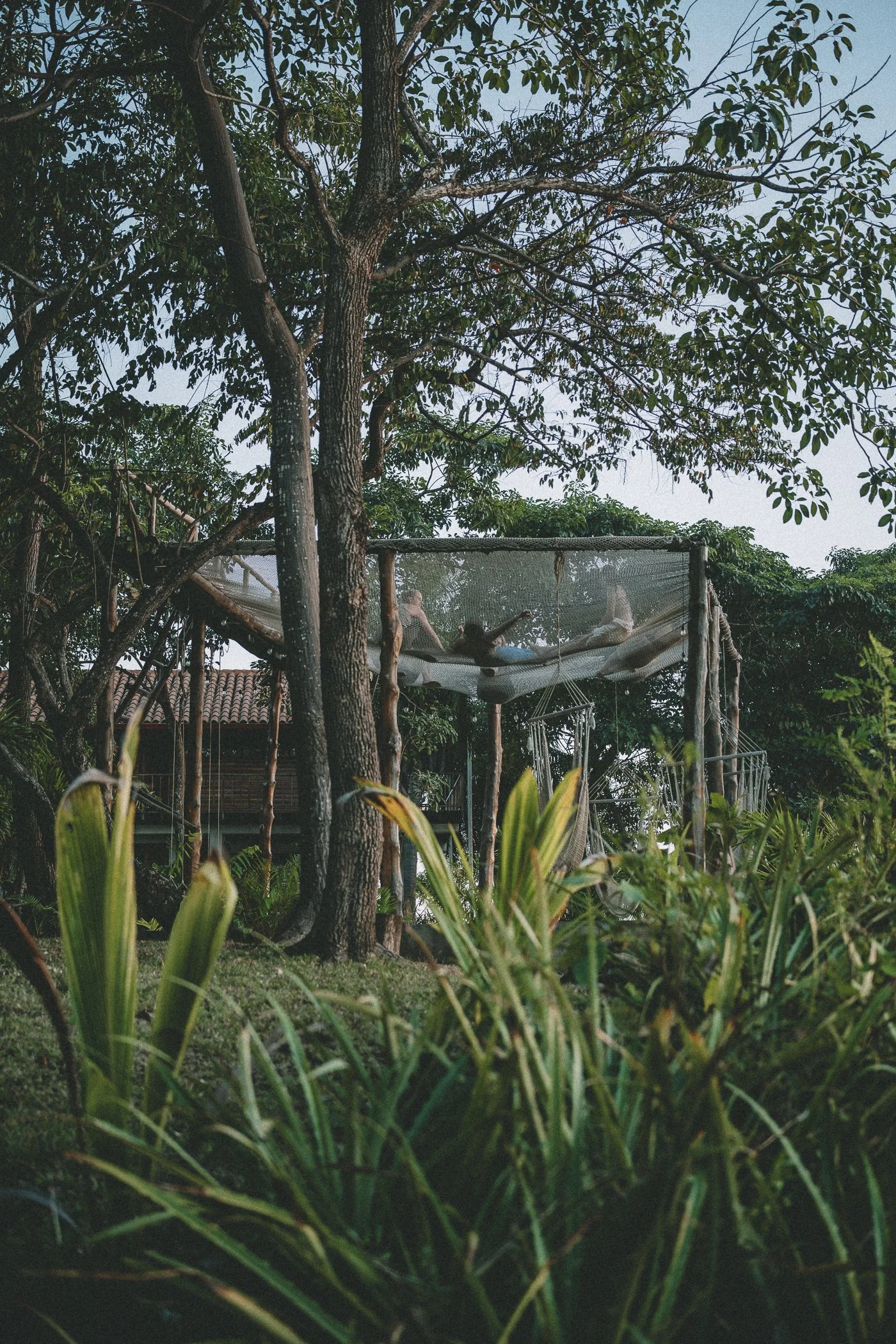
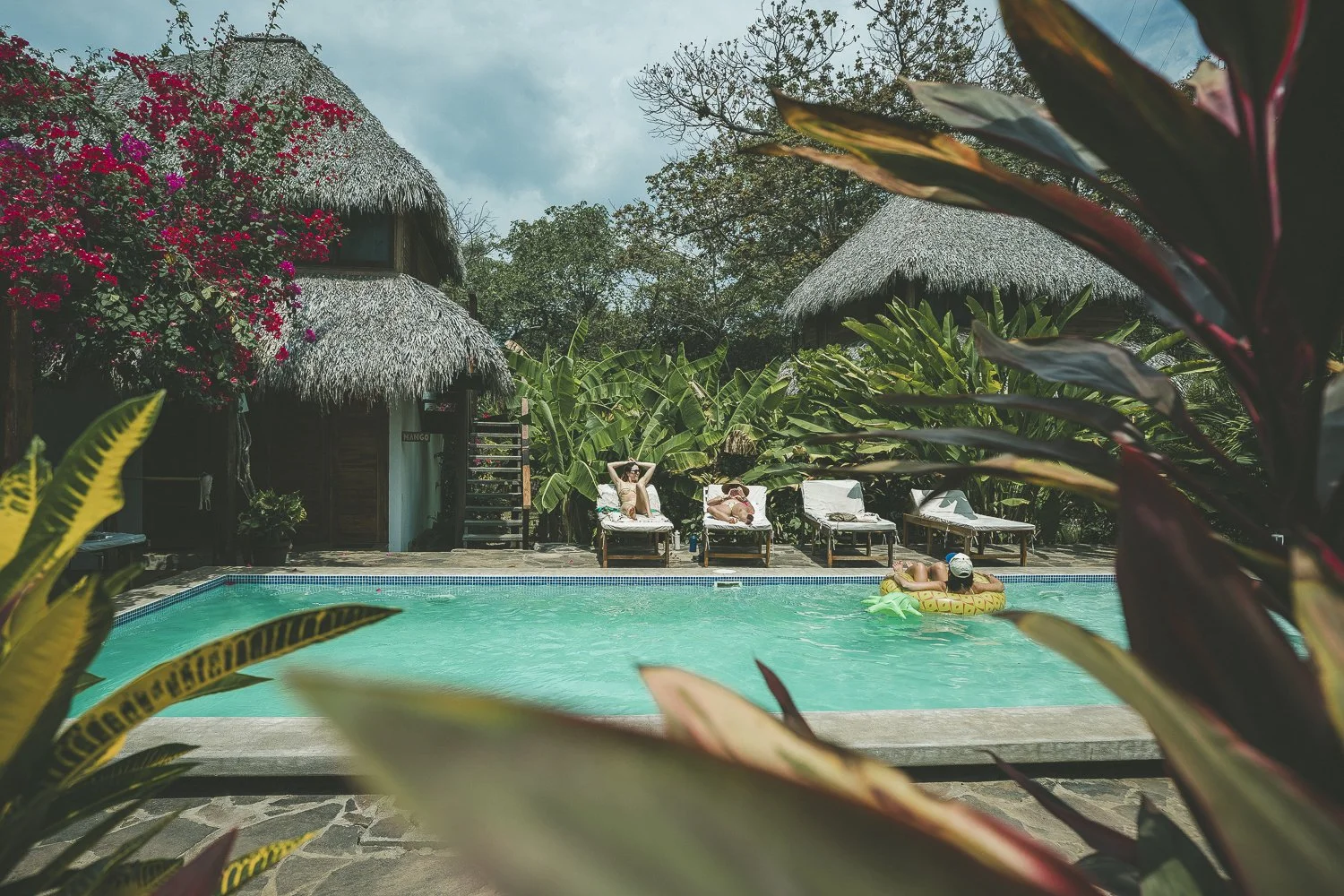
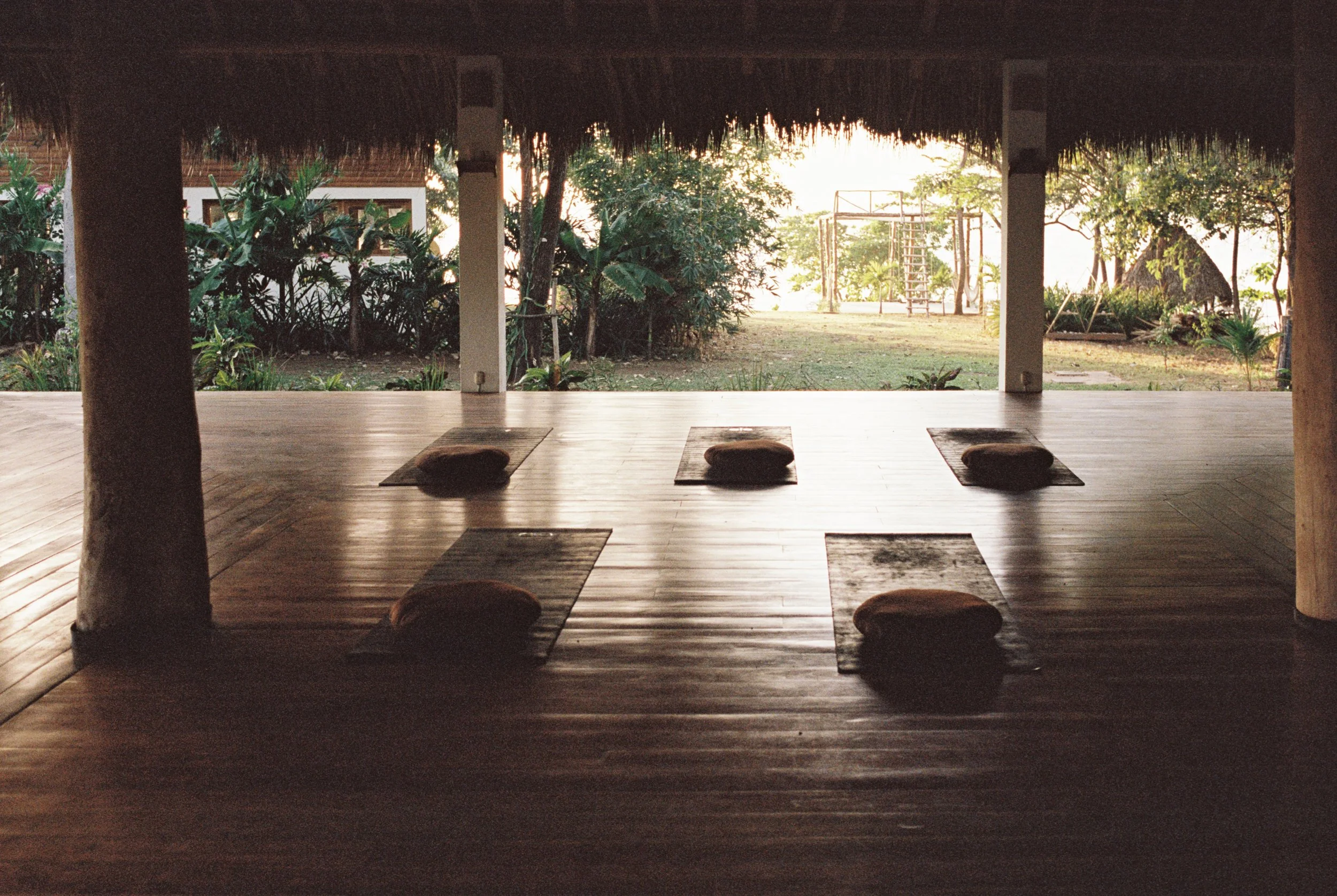
Established retreat centers are built for this: proper yoga shalas, props, hammocks, pools, staff who know how retreats flow. A rented house is built for a family holiday. The difference shows up in your reviews and in whether guests book your next retreat.
So Which Should You Choose?
Choose DIY if you have local knowledge, on-the-ground help, prior retreat experience, and a genuine appetite for logistics — or a very specific property in mind.
Choose all-inclusive if you want predictable costs, low risk, a professional guest experience, and to spend your retreat teaching rather than troubleshooting. That's most hosts, and almost every first-timer.
Not sure what to ask a venue? Start with our 15 questions to ask a retreat venue before you book.
The Turnkey Option
Still Salty Escape is an all-inclusive, oceanfront retreat venue on Nicaragua's uncrowded northern Pacific coast — accommodation, farm-fresh meals, two fully equipped shalas, private pool, and an on-site Retreat Manager, all in one price.