

Is Nicaragua Safe? An Honest Guide for Surfers and Solo Travelers
If you're considering a surf trip to Nicaragua, safety is probably one of your first questions — especially if you're traveling solo or for the first time.
It's a fair thing to research, and you deserve a straight answer rather than either fear-mongering or false reassurance. Here's an honest look at what to expect, the precautions that make sense, and why so many travelers — including solo women — have wonderful, trouble-free trips here.
The Honest Overview
Nicaragua is, by most travelers' accounts, a warm and welcoming country, and tourists who stick to established surf and travel areas generally have safe, smooth experiences. Like anywhere, it pays to use common sense and stay informed.
A few things are simply smart practice for any international trip:
Check your government's current travel advisory before you book and again before you fly
Keep an eye on local news around the time of travel
Use trusted accommodation, transfers, and operators
Take normal precautions with valuables and at night
Booking through an established retreat or camp removes a lot of the uncertainty, because the logistics — airport transfers, transport, accommodation — are handled by people who live there and know the area.
Why a Surf Retreat Feels Especially Safe
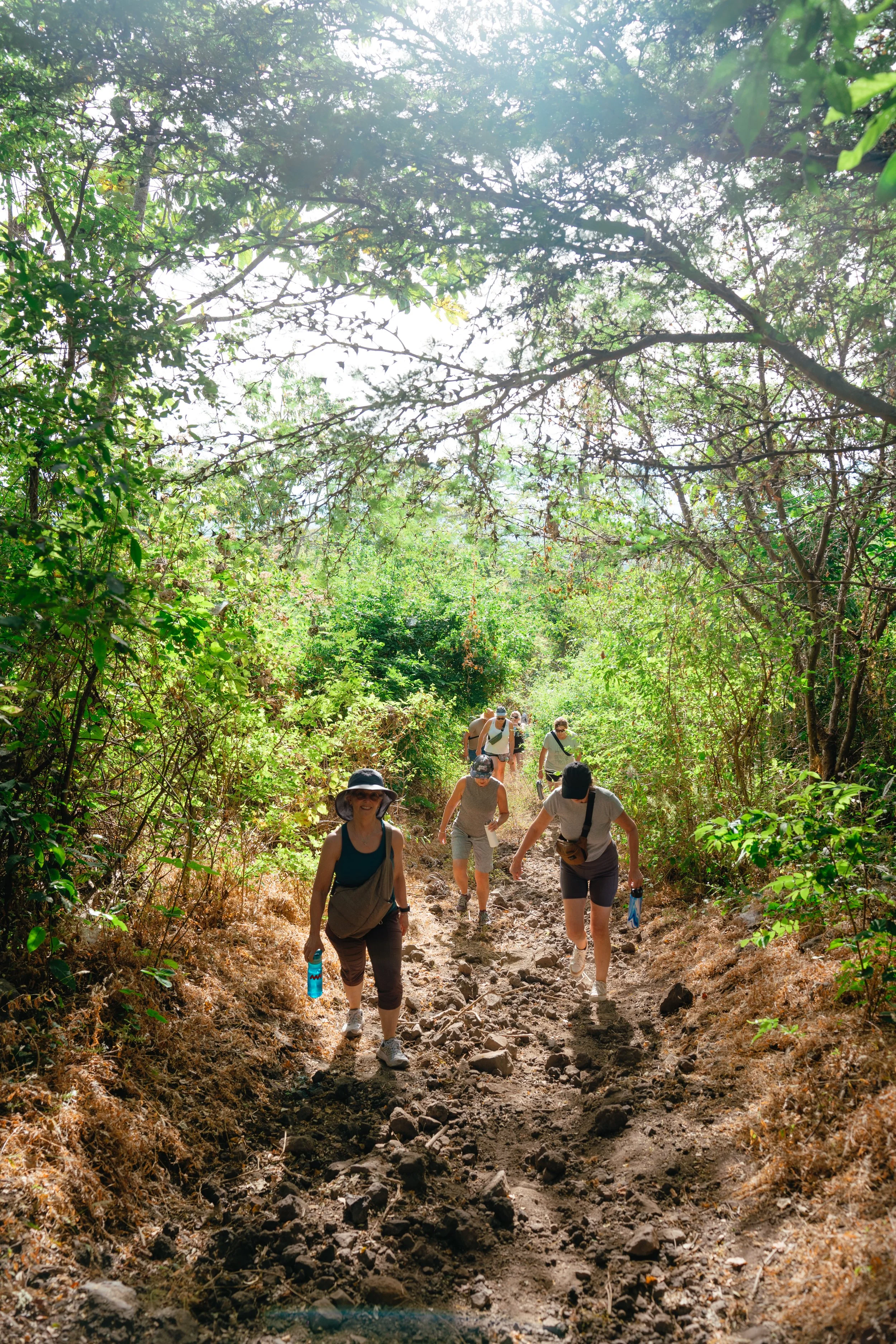
For first-timers and solo travelers, a retreat takes much of the guesswork out of the trip.
You're picked up, looked after, and surrounded by a small group from day one. You're not navigating unfamiliar transport alone, figuring out where's safe to surf, or eating dinner solo every night.
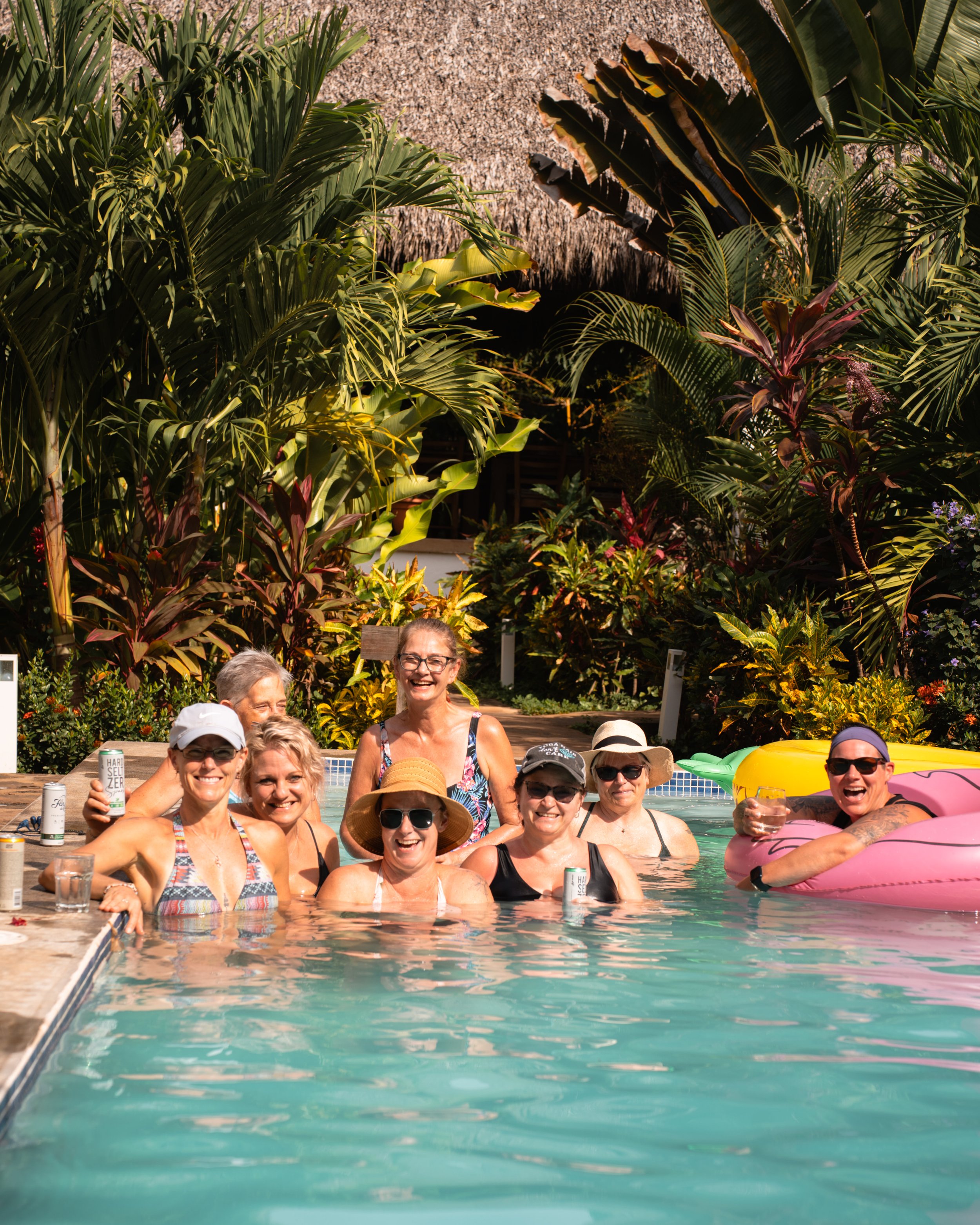
Many guests arrive nervous about traveling alone and leave having made close friends — the small-group setting builds connection quickly, which we talk about in Why Small Group Surf Retreats Create a Better Experience.
Is Nicaragua Safe for Solo Female Travelers?
This is one of the most common questions we hear, and many solo women travel to Nicaragua and have brilliant experiences — particularly within the structure of a retreat or camp.
The same sensible precautions apply as anywhere: stay aware of your surroundings, trust your instincts, keep people informed of your plans, and lean on the support a hosted retreat provides. The built-in community is a big reason solo travelers feel comfortable here.
Staying Safe in the Water
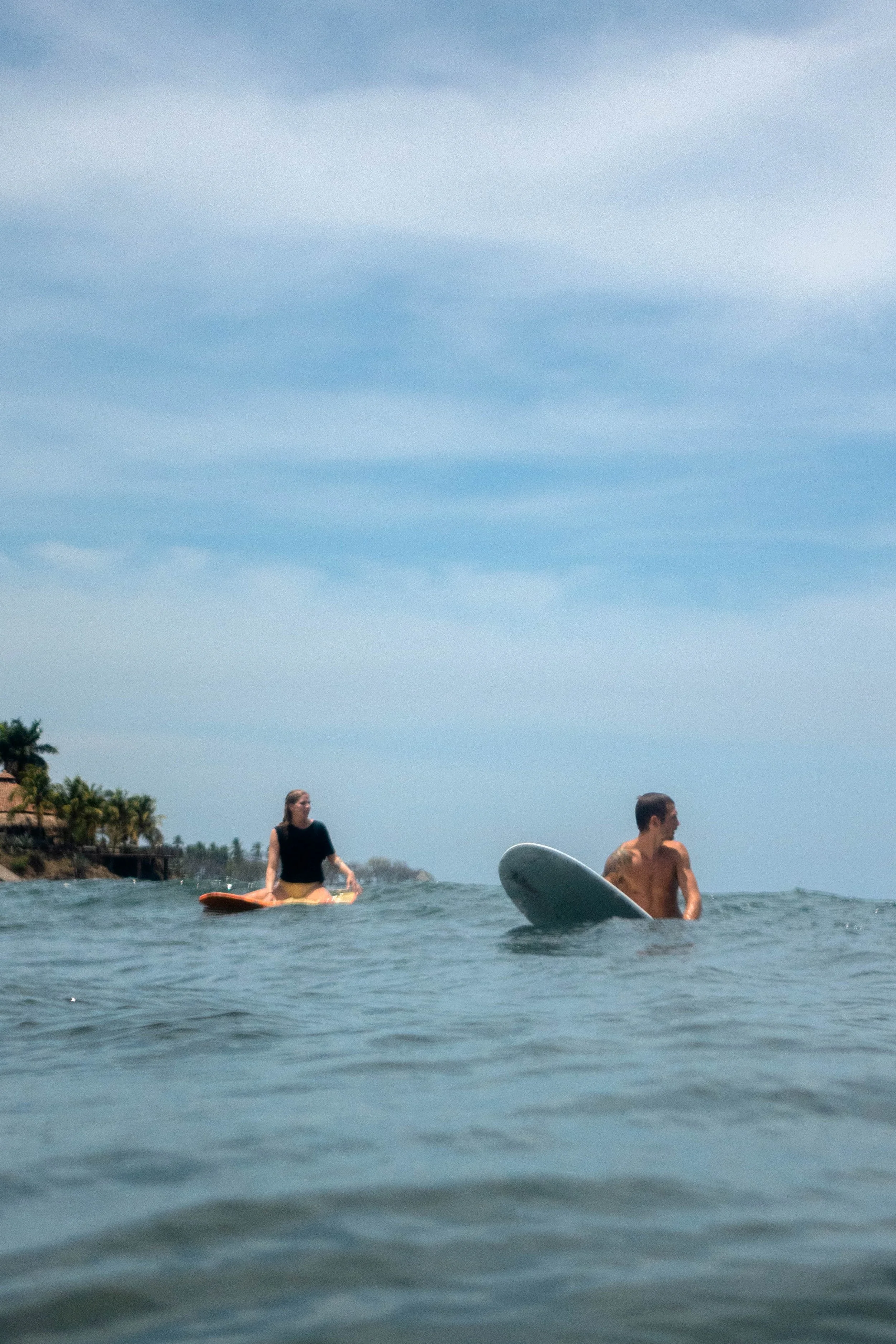
Beyond travel safety, ocean safety matters too — and it's very manageable with guidance.
Good operators keep beginners on appropriate waves, teach you to read currents and conditions, and stay close in the water. We cover what that looks like in What to Expect on a Nicaragua Surf Retreat. The key is surfing with people who know the local breaks rather than paddling out somewhere unfamiliar on your own.
Practical Tips for a Smooth Trip
Arrange airport transfers in advance through your accommodation
Bring copies of important documents and travel insurance
Carry a small amount of local currency for tips and small purchases
Respect local customs and the surf etiquette in the lineup
Stay hydrated and use reef-safe sunscreen — the sun is strong
Final Thoughts
Is Nicaragua safe? For travelers who plan sensibly, stay informed, and especially those who book through an established retreat, it's a place that tends to surprise people with how welcoming and easy it feels.
Do your research, check current advisories, and consider letting a hosted retreat handle the logistics — it's the simplest way to relax and focus on the waves.
Travel conditions can change, so always check your government's latest travel advice before booking and before you depart.
Ready to plan a trip that's handled for you?