

How Yoga Helps Surfers Improve Balance, Recovery, and Mobility
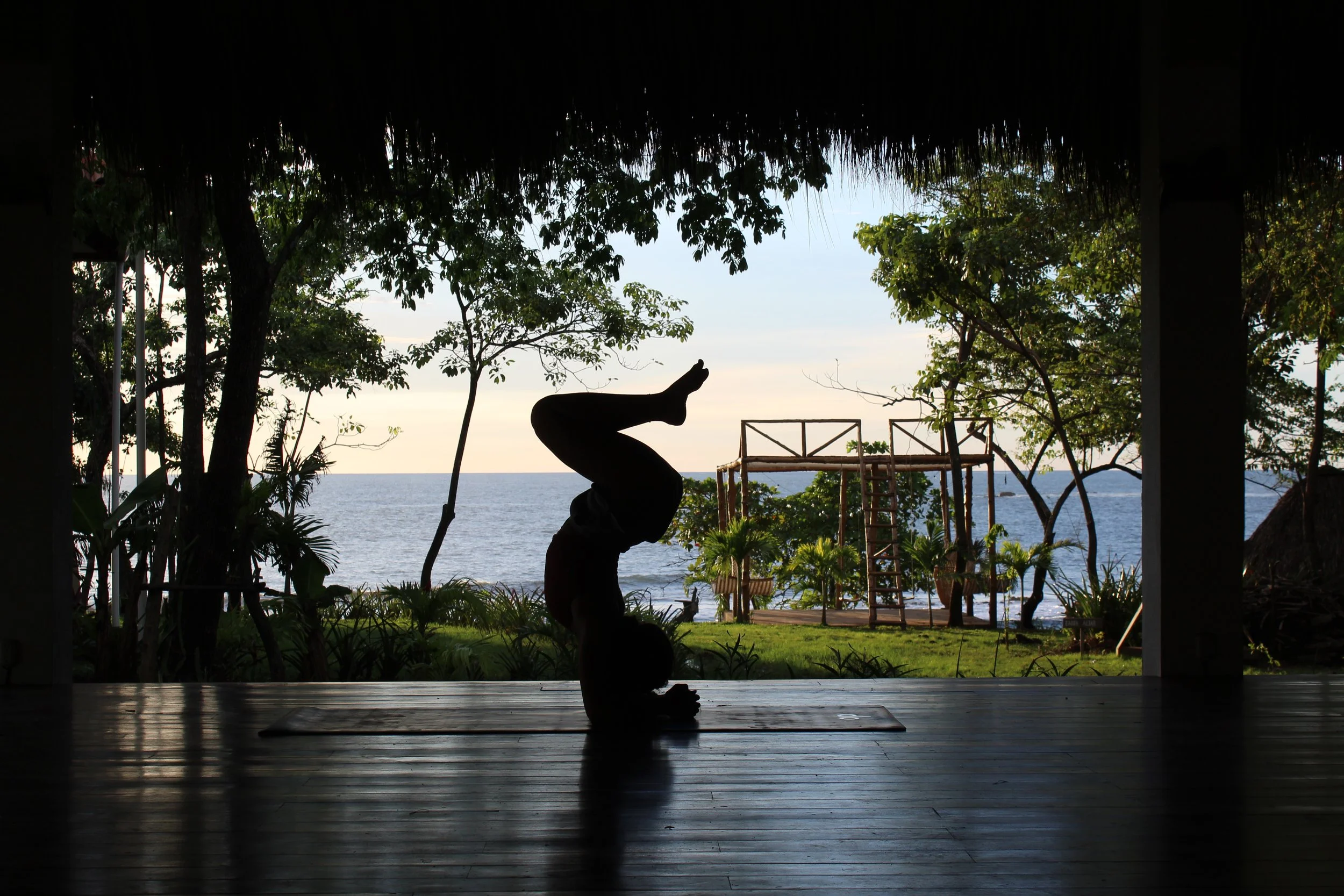
Surfing requires far more than upper body strength and time in the water.
Balance, mobility, flexibility, breath control, and recovery all play a major role in how surfers move and feel — especially during multiple days of surfing in a row.
That’s one of the reasons yoga and surfing pair so naturally together.
While surfing builds strength and endurance, yoga helps support the body through recovery, balance, and mobility both in and out of the water.
Improved Balance and Body Awareness
Balance is one of the most important parts of surfing.
Yoga helps strengthen stabilizing muscles while improving body awareness and coordination. Over time, this can help surfers feel more grounded and controlled on the board.
Practicing balance-focused movements off the board can also make transitions and stance positioning feel more natural in the water.
Better Mobility for Surfing
Surfing places repetitive stress on areas like the shoulders, hips, lower back, and hamstrings.
Without mobility work, these areas can become tight over time, especially during surf trips where you may be surfing every day.
Yoga helps keep the body moving more freely by improving flexibility and range of motion, which can make paddling, popping up, and overall movement feel easier and more fluid.
Supporting Recovery Between Sessions
Recovery is one of the most overlooked parts of improving at surfing.
Long surf sessions can leave the body feeling sore and fatigued, particularly for beginners who are using muscles in completely new ways.
Gentle movement, stretching, and breathwork can all help support recovery between surf sessions and reduce overall tension in the body.
This becomes especially valuable during retreats or surf trips where you’re spending consistent time in the water each day.

Breathwork and Staying Calm in the Water
Yoga also teaches breath awareness and nervous system regulation.
In surfing, staying calm matters — whether you’re paddling through waves, navigating wipeouts, or simply learning something new.
Breath-focused practices can help surfers stay more relaxed and present in the water, which often leads to a more enjoyable experience overall.
The Mental Side of Surfing
Surfing can be both physically and mentally challenging.
Progress often takes patience, consistency, and the ability to stay present even when conditions feel frustrating.
Many surfers are drawn to yoga because it encourages mindfulness, patience, and connection to the present moment — qualities that naturally carry into the surfing experience as well.
Why Surf and Yoga Retreats Work So Well Together
Surf and yoga retreats create a balance between activity and recovery.
After time spent in the ocean, yoga offers space to slow down, stretch, breathe, and reset before heading back into the water again.
That combination of movement, nature, and slower living is part of what makes surf retreats feel restorative rather than exhausting.
In Northern Nicaragua, the warm water, uncrowded coastline, and relaxed pace of life make it easy to settle into that rhythm.
Final Thoughts
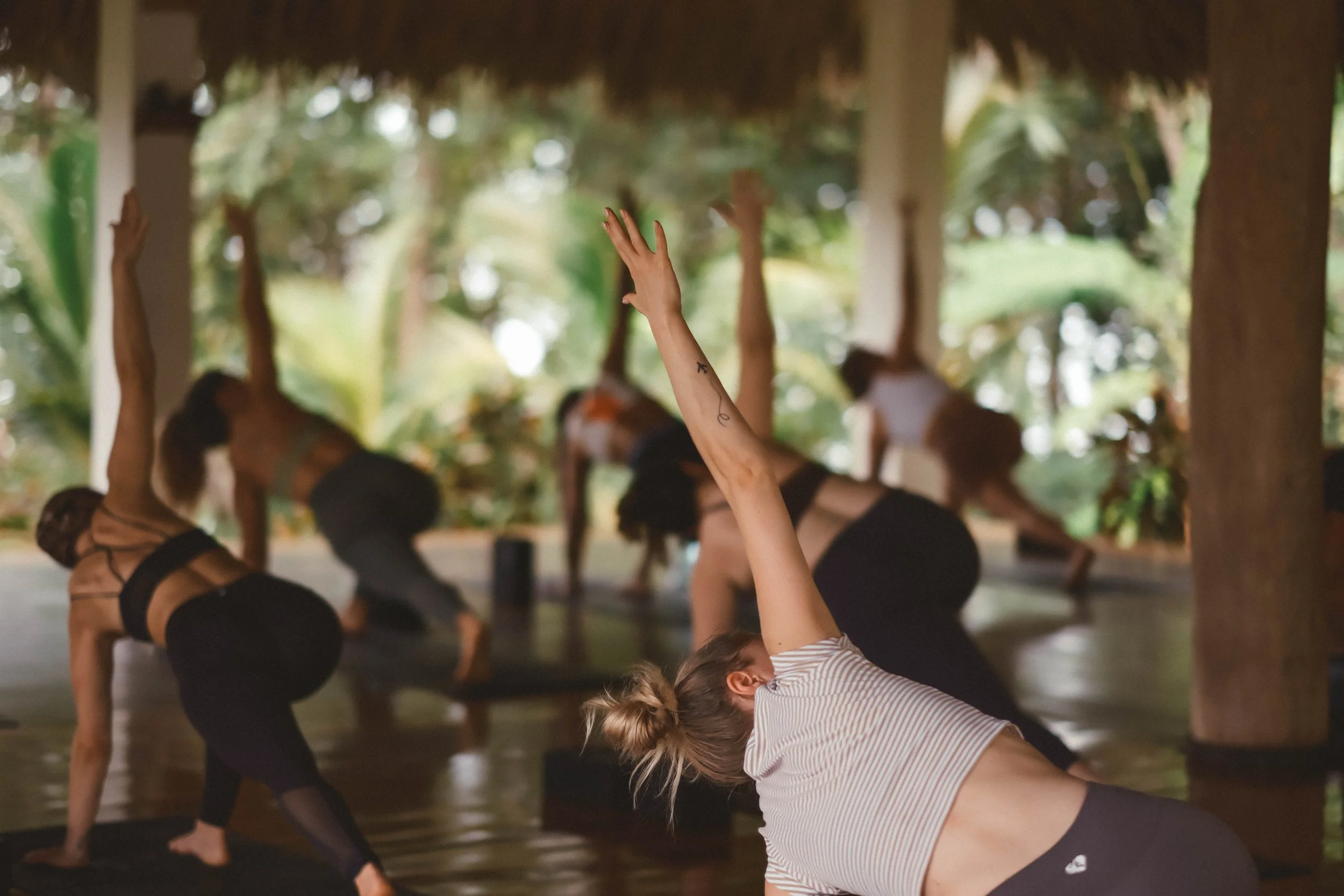
Yoga doesn’t replace surfing — it supports it.
Whether your goal is improving mobility, recovering more effectively, or simply feeling more connected to your body, yoga can play a valuable role in helping surfers feel stronger and more balanced over time.
Sometimes the biggest improvements don’t only come from catching more waves, but from taking care of the body that carries you through them.

Ready to experience the balance of surf and yoga for yourself?