
How to Host a Corporate or Team Retreat Abroad
Distributed teams are the norm now, and the annual offsite has gone from a nice-to-have to the main way a company builds trust, culture, and shared direction. But most corporate retreats get it wrong: a bland hotel conference room, a packed agenda, and everyone leaves exhausted.
The better model borrows from the wellness world — a beautiful, self-contained property, real time outdoors, good food, and enough space for the conversations that actually matter. Here's how to do it.
Start With One Clear Purpose
Don't try to do everything. Pick the one thing this retreat is for: strategic planning, team bonding after a period of remote work, onboarding a merged team, or resetting after a hard quarter. A retreat with one clear purpose beats an agenda crammed with five.
Find a Property You Can Take Over Entirely
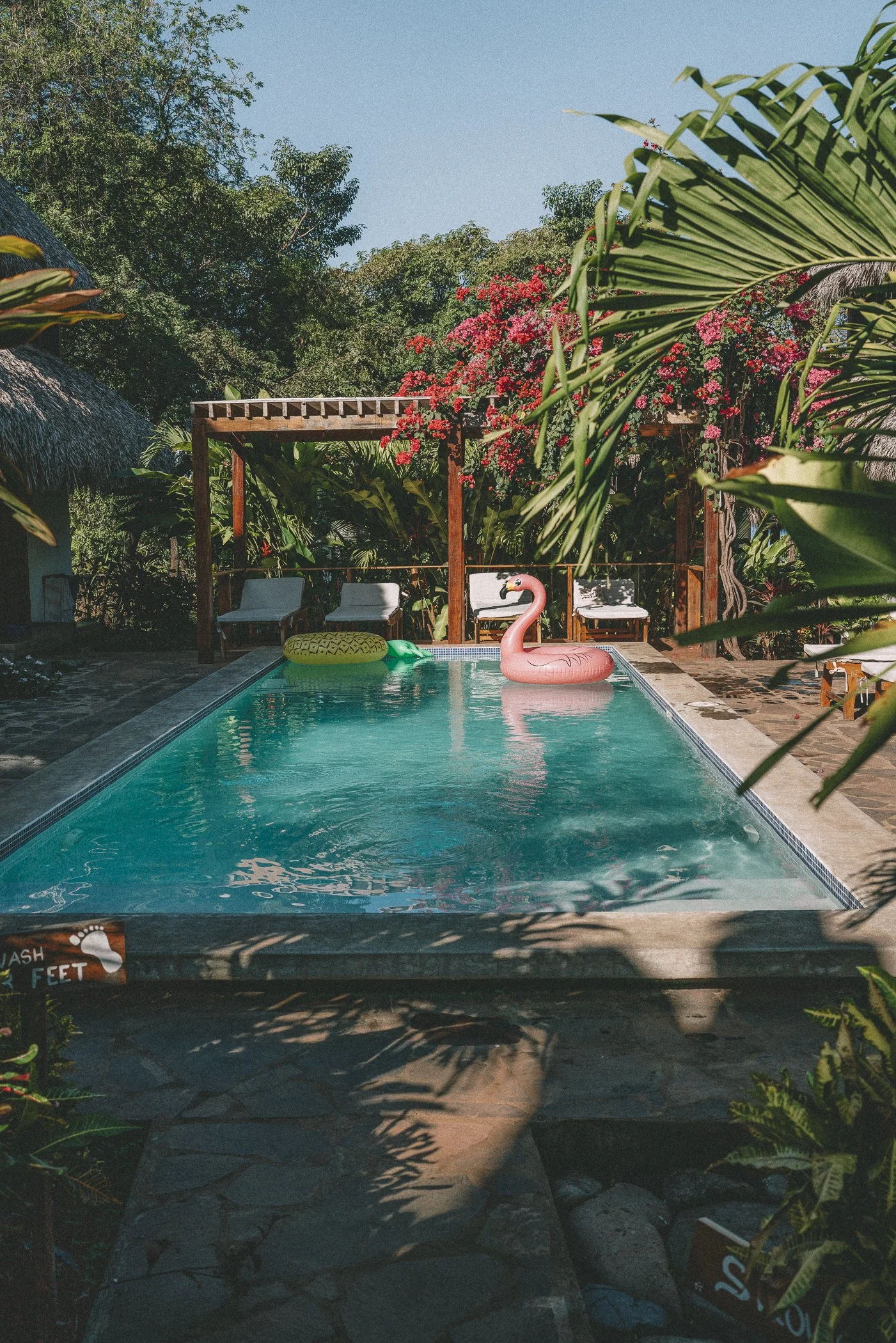
The single best decision for a team retreat is booking a whole-property buyout. No other guests, no strangers in the dining room, no fighting for space. The team can be fully itself — the conversations at breakfast and around the pool are where the real work happens, and that only happens when the place is yours.
Structure the Days Like This
The best team retreats run on a rhythm, not a marathon:
Mornings: the focused work — strategy, planning, workshops. Brains are freshest, and the day feels productive before lunch.
Afternoons: movement and shared experience — surf lessons, a hike, a cooking class, or simply open time by the pool.
Evenings: long dinners together. Do not schedule these. This is where the trust gets built.
Do not over-program. The unstructured hours are not wasted time; they're the entire point. A team that has hiked a volcano together and eaten dinner in swimsuits will collaborate differently for the next twelve months.
Build In Wellbeing, Not Just Work
Optional morning yoga, good food, real sleep, and time outside will do more for your team's thinking than another breakout session. If you have burned-out people, this is the intervention.
What It Costs
An all-inclusive venue abroad is often cheaper than a comparable domestic offsite once you account for hotel rooms, meeting-room hire, catering, and dinners out — because it's all bundled into one rate. An affordable destination like Nicaragua makes the math especially favourable, and turns a modest budget into an experience the team will talk about for years. See how much it costs to host a retreat.
The Logistics You Don't Want to Handle
Meals for 20 people with mixed dietary needs. Airport transfers. Housekeeping. Activity bookings. WiFi that actually works for a group call. This is exactly why a turnkey, all-inclusive venue with an on-site manager is worth it — nobody on your team should spend the retreat coordinating vans. See all-inclusive vs DIY venues.
Practical Checklist
Confirm capacity, and whether it includes any facilitators you bring
Check WiFi quality if you need any calls or presentations
Ask about a space that works for group sessions as well as meals
Require travel insurance for every attendee
Arrange group airport transfers (see our travel guide)
Book early — the best weeks go months ahead
A Venue Built for Whole-Team Buyouts
Still Salty Escape hosts up to 24 guests across 8 en-suite rooms on Nicaragua's uncrowded northern Pacific coast — with two open-air shalas that double as gathering spaces, farm-fresh meals, a private pool, high-speed WiFi, surf out front, and an on-site manager handling everything. Take over the whole property and make it yours for the week.