

How to Host an Alcohol-Free (Sober) Retreat
More and more people are re-examining their relationship with alcohol — and the retreat world is responding. Sober-curious weeks, alcohol-free wellness retreats, and recovery-supportive getaways are among the fastest-growing kinds of retreats being led right now. If you hold space for this community, hosting an alcohol-free retreat is a powerful and needed thing to offer.
Here's how to do it well.

Get Clear on What Kind of Retreat It Is
"Alcohol-free" covers a wide range, so define yours clearly:
Sober-curious / mindful-drinking: for people exploring life with less or no alcohol, not necessarily in recovery.
Wellness retreat that happens to be alcohol-free: the focus is yoga, rest, and nature, with no alcohol as part of the container.
Recovery-supportive: for people in recovery, which calls for extra care, clear boundaries, and often professional support.
Naming this shapes your marketing, your screening, and your duty of care.
A Note on Recovery-Specific Retreats
If you're serving people in active recovery, this is meaningful work that also carries real responsibility. Consider partnering with a licensed counselor or therapist, be clear that a retreat is not a substitute for treatment, and put appropriate screening and support in place. Be honest in your marketing about what the retreat is and isn't. (This article is general guidance, not clinical or medical advice.)
Design the Experience
The key insight: an alcohol-free retreat isn't a normal retreat with the bar removed. It's a chance to show people how good connection, rest, and fun feel without alcohol — often for the first time in years.
Front-load connection. Opening circles, shared meals, honest conversation. Alcohol is often a social crutch; replace it with genuine structures for bonding.
Movement and nature. Yoga, surf, hikes, ocean swims — feeling good in the body is the whole point.
Evening rituals that aren't about drinking. Sound baths, fireside circles, stargazing, tea ceremonies, dance. Evenings are when the absence of alcohol is most felt, so design them intentionally.
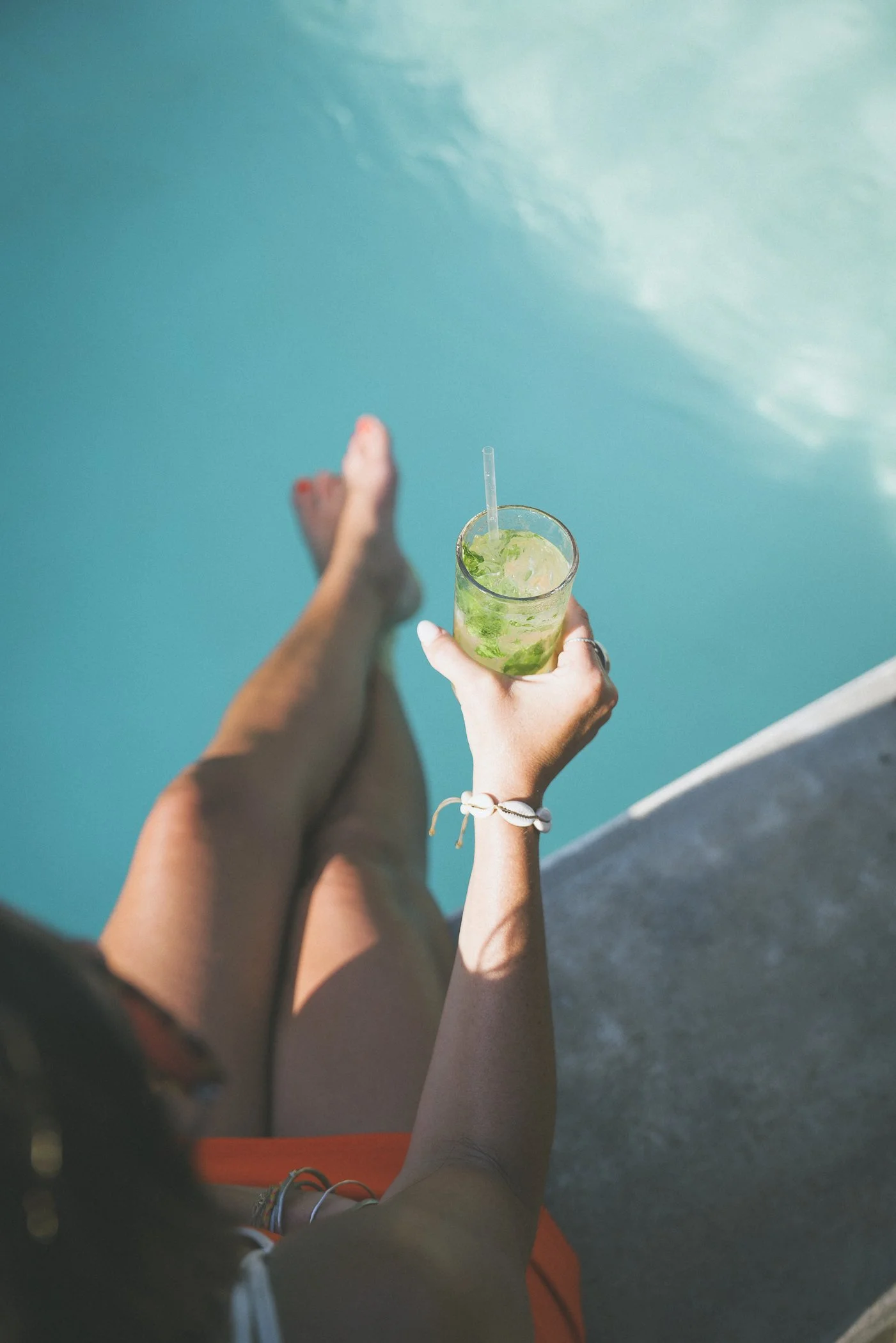
Great non-alcoholic drinks. Fresh juices, mocktails, quality coffee, coconut water. Small thing, big signal that this isn't about deprivation.
Choose a Genuinely Substance-Free Venue
This matters more than for any other retreat. Look for a venue that can be fully alcohol-free for your week — no bar operating in the background, no other guests drinking nearby. A private or whole-property booking is ideal, so your group's container stays intact. (See all-inclusive vs DIY retreat venues and 15 questions to ask a retreat venue.)
Choose a Destination That Supports the Vibe
Warm, beautiful, and full of natural highs — surf, sunsets, nature — makes the alcohol-free experience feel abundant rather than restrictive. An affordable, uncrowded destination also keeps the retreat accessible and calm. Nicaragua's northern coast fits this beautifully. (See the best affordable places to host a retreat.)
Price It and Fill It
The fundamentals are the same as any retreat: price from your break-even, offer tiered rooms, take a deposit, and market the transformation. Your audience is passionate and connected, so your existing community and sober/wellness networks are your best marketing. See how to price your retreat and how to fill your retreat.

A Naturally Substance-Free Home
Still Salty Escape is an all-inclusive, oceanfront retreat venue on Nicaragua's uncrowded northern Pacific coast — the kind of place where surf, yoga, farm-fresh food, and sunsets make an alcohol-free week feel full, not empty. We're happy to keep the property fully alcohol-free for your group.